

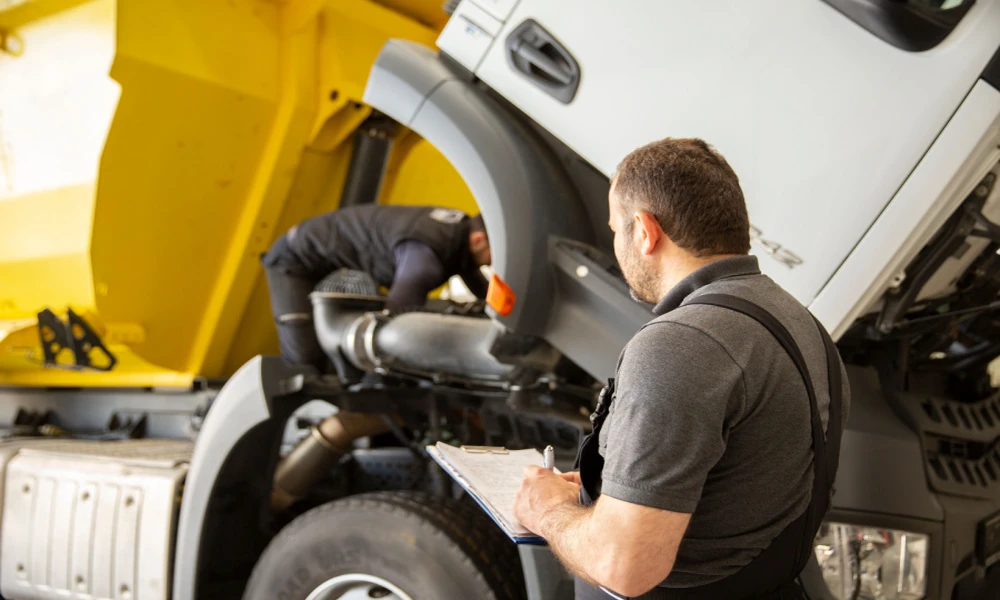
A clutch replacement involves several careful procedures that require mechanical knowledge and suitable workshop equipment. The clutch connects engine power with the transmission during everyday driving. Over time its friction surfaces can wear and affect smooth vehicle operation. Now professional replacement focuses on restoring proper engagement and dependable power transfer. The process involves inspection removal installation adjustment and thorough performance testing. Milestone Auto Repair can assess clutch condition before recommending suitable replacement work.
Inspecting the Existing Clutch System
The process begins with a detailed inspection of the clutch and related components. A technician examines symptoms such as slipping shuddering noise and difficult gear selection. Sometimes these symptoms can originate from hydraulic or transmission related problems. Therefore accurate diagnosis remains important before removing major mechanical components.
The clutch pedal operation also provides useful information during initial assessment. An unusually heavy pedal can indicate pressure plate or release mechanism problems. A soft pedal may suggest hydraulic difficulties within the clutch system. The technician considers these signs alongside vehicle behavior and service history. This approach helps prevent unnecessary replacement when another fault causes similar symptoms.
Removing The Worn Clutch Assembly
Professional clutch replacement requires access to the clutch assembly between engine and transmission. The transmission usually needs careful removal before the clutch components become accessible. This procedure requires proper support because transmission components can be heavy and difficult. The technician disconnects necessary components before separating the transmission safely.
Installing The New Clutch Components
The flywheel surface can require machining or replacement when significant damage exists. A smooth contact surface helps the new clutch operate consistently during driving. Milestone Auto Repair can ensure suitable components are installed according to manufacturer specifications. Correct installation reduces the possibility of premature clutch wear after replacement.
Reassembling And Adjusting The System
After installation the transmission must return carefully to its original position. Connected components then require proper securing before the vehicle can operate. Hydraulic systems may require bleeding when relevant clutch components have been replaced. Mechanical linkage systems may require suitable adjustment for correct pedal operation.
Testing The Vehicle After Replacement
A professional clutch replacement should always include careful testing after installation. The technician starts by checking pedal movement and engagement response. Gear changes are then tested to identify unwanted resistance or unusual sounds. The vehicle may also receive a controlled road test under suitable conditions.
Professional clutch replacement protects transmission performance while improving everyday driving confidence. Proper diagnosis helps identify the actual cause of clutch related symptoms. Correct component installation then supports reliable operation and consistent power transfer. Auto Repair in Lowell, AR service can provide professional assistance when clutch performance becomes unreliable. Milestone Auto Repair can also help maintain proper clutch operation through suitable inspection and replacement work.
