

The performance of LPG-powered vehicles with lower running costs is well-known. But like any fuel system, to run well they require routine maintenance. If your LPG car starts to misfire, lose power, or hesitate when accelerating it is usually an indication that something needs checking out.
Booking a car LPG service at the first signs of trouble can save on expensive repairs later down the line.
1. Worn or Compromised Spark Plugs or Ignition System Pieces
The ignition system is the most crucial part that determines the performance of an LPG engine. For the perfect burning of LPG, a bright and strong spark is needed.
It might be obvious if spark plugs, ignition coils or leads are getting old:
- Rough idling
- Misfiring
- Poor acceleration
- Increased fuel consumption
- Difficulty starting the engine
The rough running can be improved to some extent by the mechanics as they replace newer ignition parts.
2. Dirty LPG Filters
LPG systems are fitted with filters which help to keep dirt away from sensitive areas. These filters can get clogged up on their own and subsequently block fuel from flowing.
Clogged filter indicators:
- Engine hesitation
- Loss of power
- Uneven acceleration
- Reduced fuel efficiency
The regular car LPG service appointments mostly include the checks and replacements of the filters when required, allowing to run the system at best possible efficiency.
3. Fuel System or Injector Problems
Modern LPG systems use injectors to deliver the right amount of fuel into the engine. The fuel mixture can become erratic if injectors are dirty or begin to wear.
This can result in:
- Rough engine operation
- Engine vibration
- Poor throttle response
- Inconsistent performance
That high-cost thing is the reason a professional diagnosis really does matter too as related symptoms can actually be caused by other engine faults.
4. Potential Vacuum Leaks or Air Intake Related Issues
Engines that run solely on LPG also need the right fuel to air ratio. This delicate balance can be thrown off from a vacuum leak or eroded intake hose, causing the engine to run poorly.
Common warning signs include:
- High or unstable idle
- Stalling
- Reduced engine power
- Check engine warning light
Even a trivial air leak can impair performance, and so it is advisable to inspect this as early as possible.
5. Internal Engine Wear
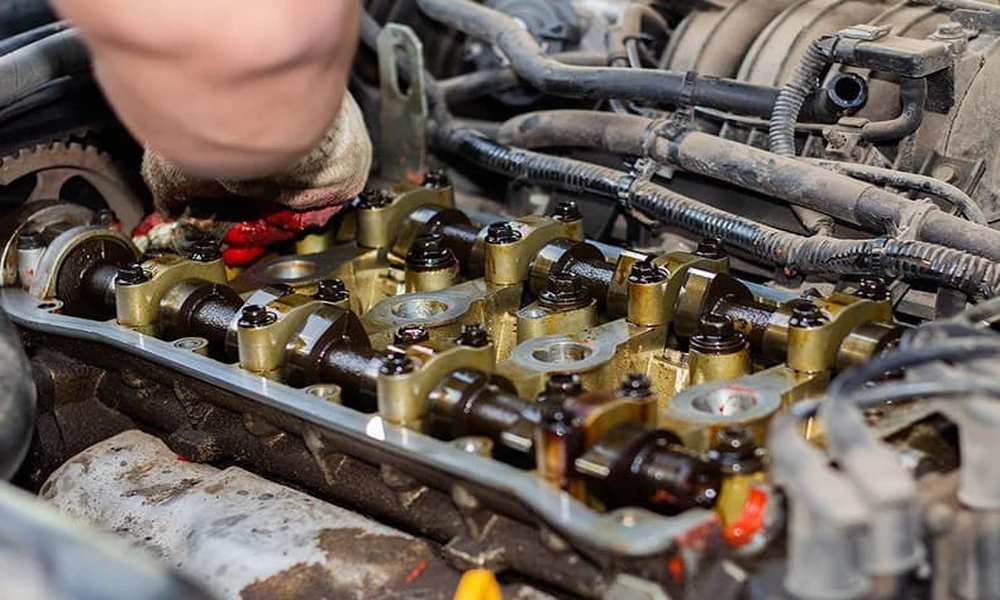
If some basic maintenance is not the fix, internal engine wear could be one of reason for rough running.
Issues that could affect how compression and combustion works can develop with high-kilometre vehicles.
Possible causes include:
- Worn piston rings
- Valve wear
- Low compression
- Cylinder damage
More serious cases may suggest you perform engine reconditioning in Melbourne to maximise the performance and service life of your vehicle.
Don’t Ignore Early Warning Signs
It is common for drivers to keep using their car even after the rough running starts. The downside of postponing repairs is that what started as a small problem can often turn into a much larger problem over time.
Early diagnosis can help prevent:
- Increased repair costs
- Poor fuel economy
- Additional engine damage
- Unexpected breakdowns
Also, to ensure the LPG system is performing efficiently and reliably, it should make sure to perform this periodically.
Simple Tips for Caring your LPG Vehicle
Preventive maintenance is actually the best way to avoid performance issues.
Follow these simple habits:
- Get your LPG serviced after recommended periods, if possible.
- Replace spark plugs when required.
- Change LPG filters regularly.
- Address warning lights promptly.
- Get unusual noises or vibrations checked early.
With meticulous maintenance, your engine will perform well for years.
Final Thoughts
Something like an LPG vehicle running badly is often an early sign of something needing fixing. Some of the most common causes include ignition issues, clogged filters, injector failures, vacuum leaks, and internal engine wear.
A basic car LPG service or professional engine reconditioning in Melbourne for more serious mechanical issues, when performed early considerably enhances performance, lowers repair costs, and enables your vehicle to run safely and efficiently on Australian roads.
