


An essential part of the onboard diagnostics system in your car is the check engine light. The ignition timing, fuel mixture, and emission control. These are just a few of the aspects of your vehicle’s performance that this system continuously analyzes.
The OBD system activates the Malfunction Indicator Lamp. This is to notify you that something needs to be fixed. Especially when one or more of these parameters deviate from the permitted range.
It is necessary to have some knowledge of automotive diagnostics and sensors. This is to comprehend how this system operates. Numerous sensors that gather data from different areas of the car are installed in modern models.
For instance, mass airflow sensors gauge the amount of air entering the engine. Whereas oxygen sensors track the quantity of raw oxygen in the exhaust. The onboard computer in your car receives the data from these sensors. And then, compares it to a predetermined set of criteria.
The system outputs a trouble code when it detects such as a fuel-to-air ratio or a failing sensor. Specialized diagnostic equipment can be used to recover this code from its memory. These codes give Check Engine Light Services vital information about potential problems. Thus, allowing technicians to identify problems fast and precisely.
Understanding Diagnostic Trouble Codes
DTCs are alphanumeric codes that indicate within your car. They act as a language that allows technicians to interact with the vehicle’s computing system. It translates its alerts into useful information. And each code represents a specific problem.
Lean fuel mixture (P0171) and misfire (P0300) are typical fault codes. These codes guarantee uniformity across various makes and models. That’s because they are included in the Society of Automotive Engineers’ standardized list. Technicians can determine where to begin their inquiry by employing diagnostic equipment to acquire a code.
It’s crucial to remember that some issue codes have more than one source. A catalyst conversion efficiency below the normal limit, for example, is indicated by a P0420. But this could be caused by several underlying problems. Such as an engine misfire or malfunctioning oxygen sensors.
This intricacy highlights the necessity of a professional diagnosis. Although do-it-yourself equipment may be able to read these codes. Still, accurate interpretation calls for knowledge and experience.
Early Diagnosis and Repair Process
When you bring your automobile in for a Malfunction Indicator Lamp diagnostic. The experts use a methodical approach to find and fix problems quickly. A first visual inspection is the first step in the procedure. During which they search for any visible indications of problems. We have loose wires and damaged parts, for instance.
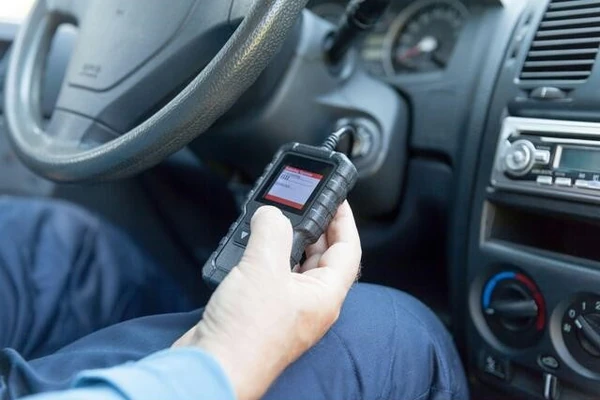
The stored fault codes are then retrieved from your automobile’s computer. This is achieved by using sophisticated diagnostic gear. These solutions can access both historical logs and real-time data.
It’s done by connecting right away to the vehicle’s OBD port beneath your dashboard. Technicians can develop a theory about what has gone wrong. So, they’ll be examining these codes in conjunction with other sensor readings.
Technicians conduct additional tests or inspections specific to the fault encryptions received. This will be based on their first assessment. This could entail testing different sensors and parts, examining ignition coils, or monitoring fuel pressure.
They carefully record their results throughout this process. Just to make sure that every stage is taken into consideration. Especially if you’ll go for an inspection – click https://dep.nj.gov/stopthesoot/obd-ii-information-and-assistance/ for more info.
Preventative Measures
It’s important to fix the check engine light as soon as it comes on. Many problems can be avoided by being proactive. Maintaining your car on a regular basis is essential to its smooth and effective operation.
This involves following the manufacturer’s suggested service intervals. This usually includes system inspections, oil changes, and filter replacements.
In addition to regular maintenance. Drivers can extend the life of their car in several ways:
- Keep your tires at the right pressure.
Overinflated or underinflated tires can impair handling, fuel economy, and overall performance. Optimal performance is ensured by routinely monitoring and modifying tire pressure.
- Keep an eye on fluid levels.
For engines to operate properly, they need a variety of fluids. This includes coolant, brake fluid, and oil.
Excessive wear, overheating, and other mechanical issues. These can be prevented by maintaining them at the proper levels.
- Listen for odd noises.
You can identify possible problems before they become more serious. This is achieved by keeping an ear out for odd noises coming from your car.
Early indicators, such as a vibration under the hood or a grinding sound when braking. Taking care of these can save money and time.
It is impossible to overestimate the significance of preventative maintenance. By anticipating possible issues. Drivers can keep their car safe and dependable while avoiding more major repairs later on.
In addition to identifying wear-and-tear patterns unique to your driving style. Routine inspections enable experts to provide tailored recommendations. Especially on how to maintain your vehicle.
When to Get Expert Assistance
Certain problems require professional attention. Even though some small issues can be handled at home with simple tools and skills. Maintaining the health of your automobile depends on when to ask for professional help.
Here are some signs that it may be time to seek expert assistance:
- Recurring or persistent check engine light.
If the signal continues after the first trial at diagnosis. There may be a more complicated underlying problem. This calls for certain equipment and knowledge.
- Unusual scents or noises.
Unusual smells within the cabin or strange sounds coming from the hood. These may be signs of major issues that ought to be taken seriously.
- Smoke or Leaks
Any indications of smoke or fluid leaks from your vehicle should be addressed right away. That’s because they may indicate serious mechanical issues.
- Loss of Performance or Power
It’s recommended to speak with an expert who can precisely identify and fix the issue. Especially if you observe a drop in engine power, problems with acceleration, or stalling.
Visit this page for more info.
Conclusion
The check engine light warns drivers of possible faults before they become serious ones. This is to preserve the longevity and performance of your car.
You need to be aware of how contemporary diagnostic equipment operates. And also, know when expert assistance is required. Experts can assist whether you’re suffering from small or more serious technical difficulties.
You can drive with confidence knowing that your automobile is in good hands. That’s if you stay up to date on its condition and rely on professional treatment when necessary.
